Ripples of Hope:
A Family Perspective
📆 Tuesday, October 27, 2026 | 9:00am - 11:00am
📍 Columbus Learning Center, 4555 Central Ave, Columbus, IN 47203
Learn how to understand serious mental illness (SMI), advocate for your loved ones, and ask the questions that get answers.
Who it’s for
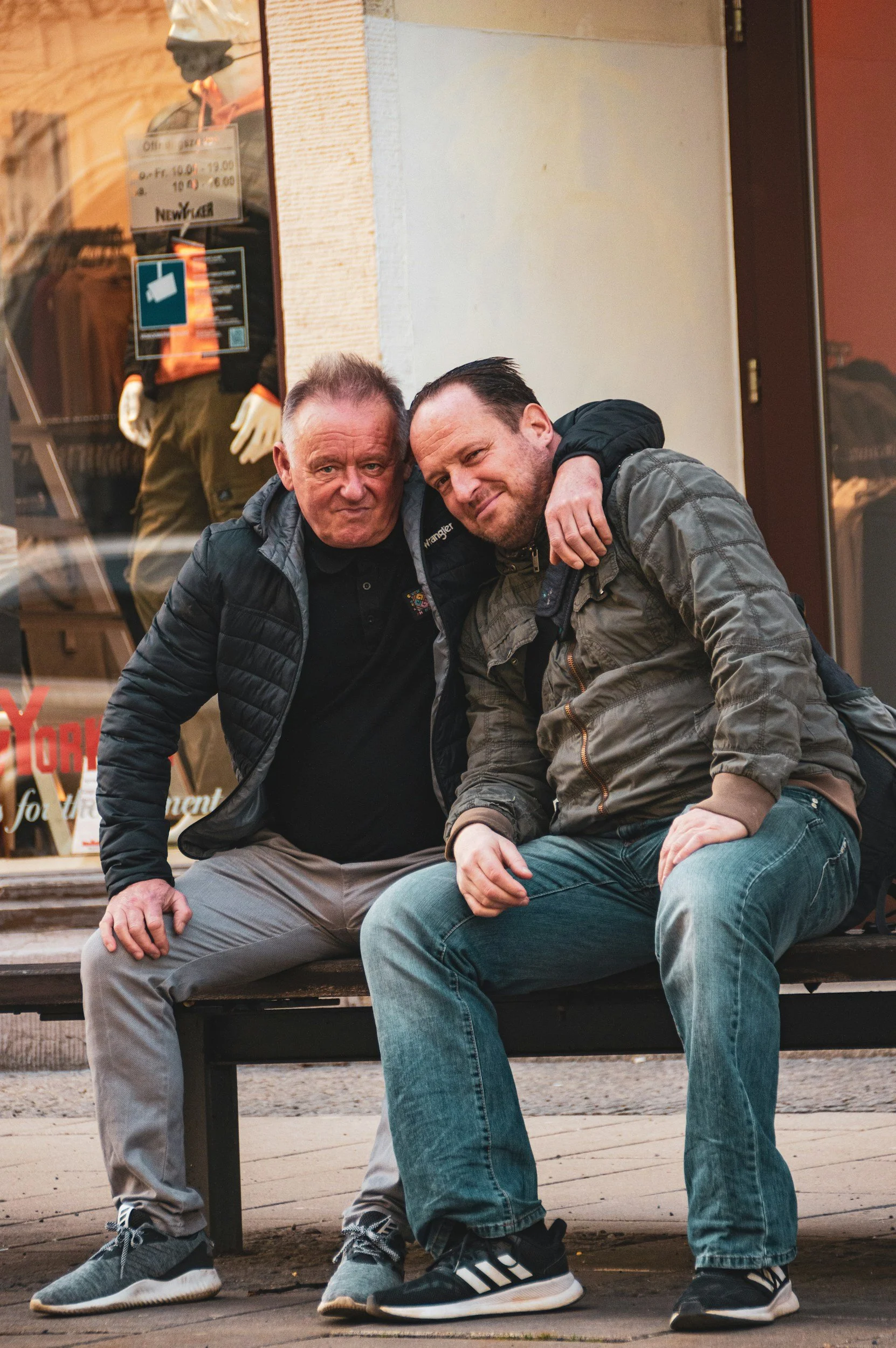
FAMILIES & LOVED ONES
Parents, siblings, partners, adult children, and close friends of someone living with a serious mental illness.
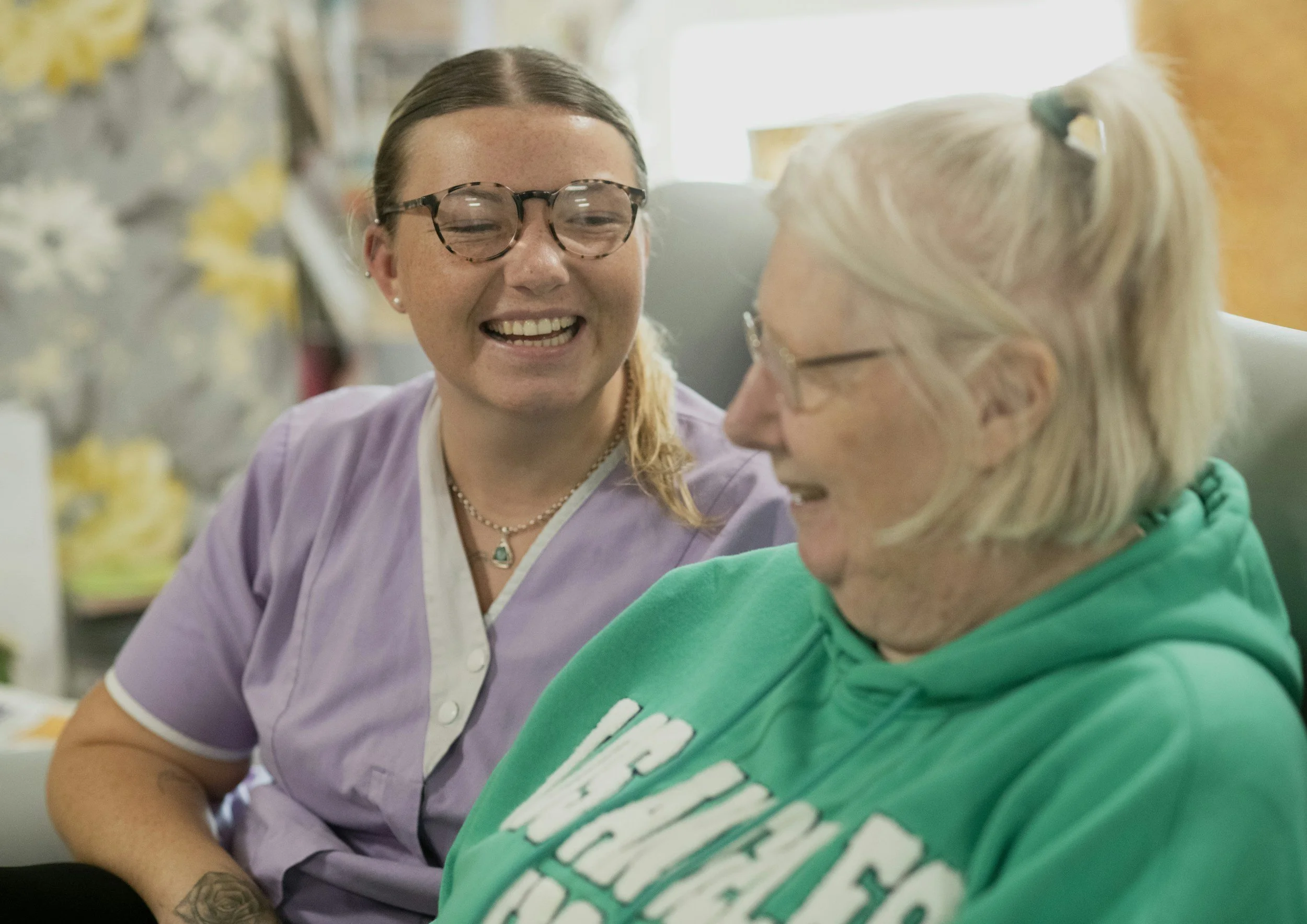
CLINICIANS & CARE PROVIDERS
Healthcare providers, social service organizations, case managers, and the teams who coordinate care.
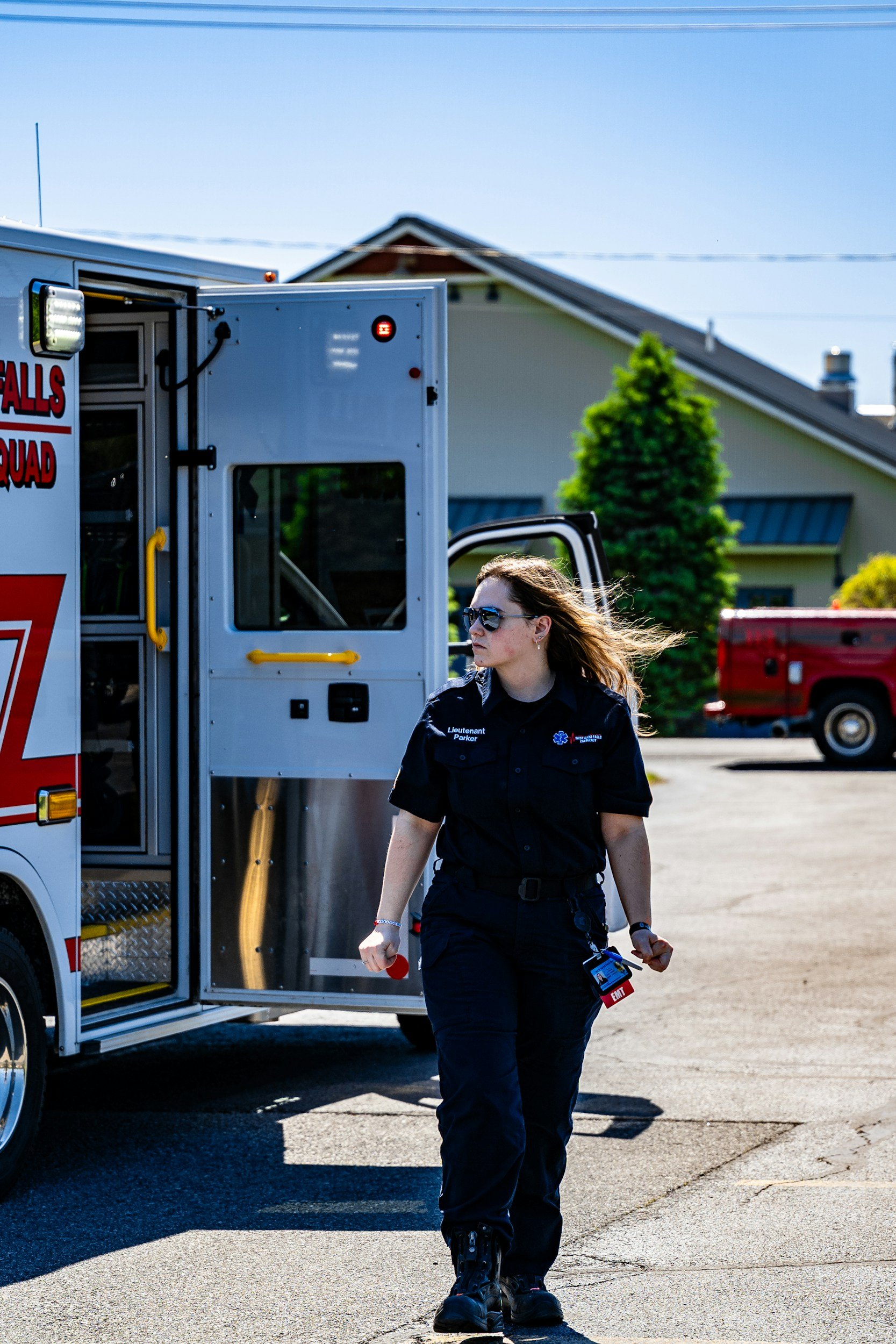
PUBLIC SAFETY & OFFICIALS
First responders, correctional officials, and city & county officials who meet families on their hardest days.

COMMUNITY LEADERS & ADVOCATES
Educators, faith leaders, business leaders, advocates, and neighbors who want to be a steadier presence for the families around them.
Participants will hear one family's decades-long experience with serious mental illness (SMI) and use it to understand the system every family runs into: anosognosia, the largest barrier to treatment; the "churn" of repeat hospitalizations, homelessness, and criminal legal involvement; and what HIPAA actually requires versus how it gets used to end conversations. With an emphasis on practical advocacy, this workshop is built to help attendees recognize serious mental illness earlier, ask the questions that move care forward, and treat families as the long-term allies they already are.

Why join?
Families are usually the ones managing serious mental illness (SMI) day to day — often without being given enough information to provide the best care. This workshop covers what families and professionals need to know: how serious mental illness progresses, why anosognosia prevents many people from accepting treatment, what HIPAA actually permits a provider to share, and which questions get useful answers from a care team.
The American Psychiatric Association states that people with serious mental illness have better treatment outcomes when a family member or support person is involved in their care, and in one New York study of psychiatric inpatients, 92 percent wanted their family involved in care planning.
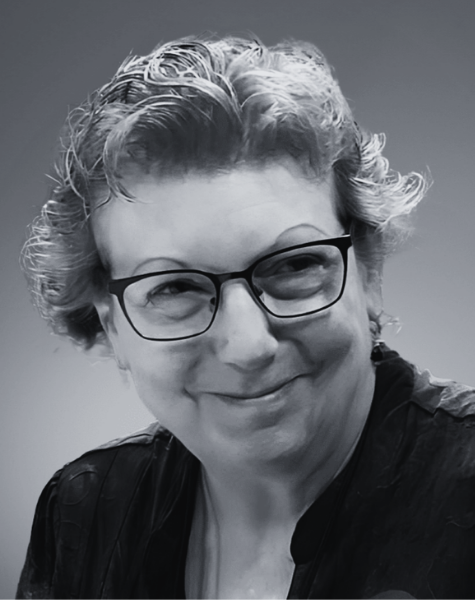
MEET YOUR PRESENTER
Leslie Carpenter
Legislative Advocacy Manager, Treatment Advocacy Center
Leslie Carpenter is a lobbyist in the Iowa Legislature and co-founder of Iowa Mental Health Advocacy, serves on the Treatment Advocacy Center's National AOT Advisory Committee, and is a NAMI Iowa board member and volunteer. Her committee work spans the Guidelink Advisory Committee, the JC Systems of Care and Criminal Justice Coordinating Committees, and the Iowa CCBHC Stakeholder Committee. She is also an adjunct associate at the University of Iowa Department of Physical Therapy and Rehabilitation Science, and public speaker.
Workshop Goals
By the end of this workshop, you will be better equipped to:
Recognize serious mental illness for what it is
Understand the common features of psychosis — hallucinations, delusions, disordered thinking, paranoia — and why what looks like rebellion, defiance, or a bad attitude is often untreated illness.
Ask questions that open doors
Take home concrete language for talking to providers, hospitals, and care teams so that "HIPAA" is the start of a conversation rather than the end of one.
Understand anosognosia
Learn why some people cannot recognize their own illness, why this is the single largest barrier to treatment, and how it creates conflict in families where none existed before.
Understand the cost of waiting
Learn why the average duration of untreated psychosis stretches to more than a year, and what that delay does to treatment response, insight, and long-term recovery.
Know what HIPAA actually says
HIPAA permits providers to share information with families in specific circumstances — and it can protect the family relationship, too. Learn where the real boundaries are.
Navigate the continuum of care
Get oriented to what good care looks like across a lifespan — crisis stabilization, First Episode Psychosis programs, Assertive Community Treatment, Assisted Outpatient Treatment — and where families fit at every stage.
Join us to gain the knowledge and tools you need to recognize serious mental illness earlier, ask the questions that move care forward, and ensure better long-term care for your loved ones.
Strong communities are built when we work together with a shared purpose
Join us to understand serious mental illness, learn to advocate for the people you love, and help build a community where no one falls through the cracks.
FAQs
-
Anyone who encounters serious mental illness in their work or their family — healthcare providers, educators, business leaders, city and county officials, correctional officials, first responders, faith leaders, social service organizations, advocates, and neighbors. No clinical background is required.
-
Yes.
-
No. The workshop is built around one family's experience, but the goal is broader: helping the whole community recognize serious mental illness, understand the barriers to care, and support the families navigating them.
-
Sponsors